Sedation Dentistry at Central Texas Pediatric Dentistry in Austin TX
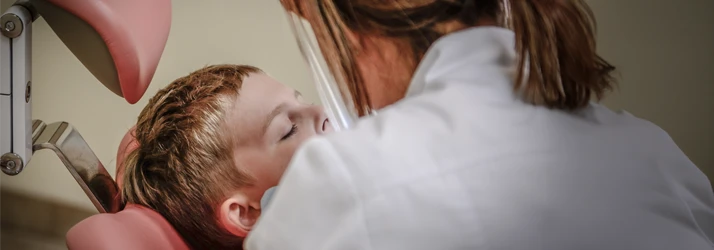
Avoiding dental care because of fear, anxiety, or difficulty sitting through treatment can lead to larger oral health concerns. Sedation dentistry can help make appointments more manageable for many patients. At Central Texas Pediatric Dentistry, we carefully evaluate each situation and recommend appropriate sedation options when needed.
What Is Sedation Dentistry and How Does It Improve Patient Comfort?
Sedation dentistry uses medication to help patients feel calm and relaxed during dental treatment. Many people avoid dental visits because they feel nervous, have sensitive teeth, or worry about discomfort during procedures. Sedation can reduce these concerns and make dental care easier to manage. Depending on the patient's needs and the treatment being performed, different levels of sedation may be used.
Sedation does not always mean a patient is asleep. In many cases, patients remain awake and able to respond to instructions while feeling very relaxed. This can be helpful for individuals who have dental anxiety, a strong gag reflex, difficulty sitting still, or a fear of dental procedures. Some patients also feel that treatment passes more quickly because they remain calm throughout the appointment.
By helping patients feel comfortable, sedation dentistry can make it easier to complete needed dental work without added stress. It may also allow dentists to perform longer or multiple procedures in fewer visits. This can save time and reduce the need for repeated appointments.
Many people who once delayed treatment because of fear find that sedation dentistry provides a more positive experience. With the right approach, patients can focus on protecting their oral health instead of worrying about the procedure.
Types of Sedation Used in Dentistry and When They May Be Recommended
Dentists can use several types of sedation, and the best option depends on the patient's health, anxiety level, and treatment needs. Each method is designed to help patients feel comfortable while treatment is completed safely.
Common types of dental sedation include:
- Nitrous oxide sedation: A mild option inhaled through a mask that helps patients relax.
- Oral sedation: Medication taken before the appointment to reduce anxiety.
- IV sedation: Medication delivered through a vein for a deeper level of relaxation.
- General anesthesia: Used in certain situations when a patient needs to be fully asleep.
The type of sedation recommended depends on many factors. Someone undergoing a routine procedure may only need mild sedation, while a patient undergoing extensive treatment may benefit from deeper relaxation.
Before treatment begins, the dentist reviews medical history, medications, and treatment goals. This helps determine the safest and most effective option. At Central Texas Pediatric Dentistry, we carefully evaluate each patient and explain available sedation choices so they can feel informed and comfortable with their care plan.
Who Can Benefit Most From Sedation Dentistry During Dental Treatment?
Sedation dentistry can help many patients, not just those who are afraid of the dentist. While dental anxiety is one of the most common reasons people choose sedation, there are many other situations where it may be beneficial.
Patients who may benefit from sedation dentistry include:
- People with moderate to severe dental anxiety
- Patients who have had difficult dental experiences
- Individuals with a strong gag reflex
- People who struggle to sit still for long periods
- Patients with very sensitive teeth or gums
- Individuals requiring lengthy dental procedures
Some people become nervous during even simple dental visits, while others only feel anxious when more complex treatment is needed. Sedation helps reduce tension and allows treatment to be completed more comfortably.
It may also benefit patients with special healthcare needs when recommended by the dental team. In certain cases, sedation makes it easier to complete treatment efficiently while reducing stress for everyone involved.
When fear or discomfort creates barriers to dental care, sedation dentistry can provide a practical solution that helps patients receive the treatment they need.
Safety Measures, Monitoring, and Patient Care Throughout Sedation Procedures
Patient safety is a central part of sedation dentistry. Before sedation is provided, the dental team reviews medical history, current medications, allergies, and overall health. This information helps determine whether sedation is appropriate and which option is safest.
During treatment, patients are closely monitored to ensure they remain stable and comfortable. Modern equipment enables the dental team to track critical health information and respond quickly when needed. The level of monitoring depends on the type of sedation being used.
Dental professionals receive training to administer sedation safely and manage patient care throughout the procedure. They also provide instructions regarding eating, drinking, medications, transportation, and recovery.
Patients play an important role in safety by following all pre-treatment and post-treatment instructions. These guidelines help reduce risks and support a smoother experience. At Central Texas Pediatric Dentistry, patient safety remains a priority throughout every stage of sedation treatment, from consultation through recovery.
Advanced Technology Used to Deliver and Monitor Dental Sedation
Modern technology has improved the delivery and monitoring of sedation dentistry. Advanced equipment helps make treatment more precise, efficient, and safe. These tools allow dental teams to carefully manage patient comfort while maintaining close observation during procedures.
Monitoring devices track important body functions during treatment and provide real-time information. This allows the dental team to make adjustments when needed and helps ensure patients remain comfortable throughout the procedure.
Digital patient records also enhance safety by providing providers with quick access to medical histories, medications, allergies, and treatment plans. Having this information readily available helps dentists make judgments before and during treatment.
We also use advanced imaging technology to improve treatment planning. Clear digital images help dentists evaluate oral health conditions more accurately and prepare for procedures with greater precision. Better planning often contributes to smoother treatment experiences and more predictable outcomes.
Preparing for a Sedation Dentistry Appointment and What to Expect During Recovery
Preparing for a sedation dentistry appointment helps support a safe and comfortable experience. Before treatment, patients receive instructions based on the type of sedation being used. Following these directions carefully is important for successful care.
Preparation often includes:
- Sharing information about medications and medical conditions
- Following eating and drinking guidelines
- Arranging transportation if required
- Wearing comfortable clothing on the day of treatment
- Reviewing instructions provided by the dental team
On the day of the appointment, the dental team explains the procedure and answers any remaining questions. This helps patients feel informed and prepared before treatment begins.
Recovery experiences vary depending on the type of sedation received. Some patients feel alert fairly quickly, while others may need additional time to rest. Mild drowsiness is common after certain forms of sedation, and patients are often advised to avoid driving or operating machinery until the effects have worn off.
Schedule Your Appointment Today!
If dental visits make you feel uneasy, sedation dentistry may help improve your experience. Contact Central Texas Pediatric Dentistry to learn more about your options and schedule a consultation. Call us or visit our office today.
Contact Information:
Central Texas Pediatric Dentistry
1201 Barbara Jordan Blvd #1430
Phone: (512) 474-7575
Central Texas Pediatric Dentistry
1201 Barbara Jordan Blvd #1430
Austin, TX 78723
OFFICE HOURS
Monday
9:00am - 3:00pm
Tuesday
9:00am - 3:00pm
Wednesday
9:00am - 3:00pm
Thursday
9:00am - 3:00pm
Friday
OR
Saturday
Closed
Sunday
Closed