How Children Should Brush Their Teeth in Austin TX
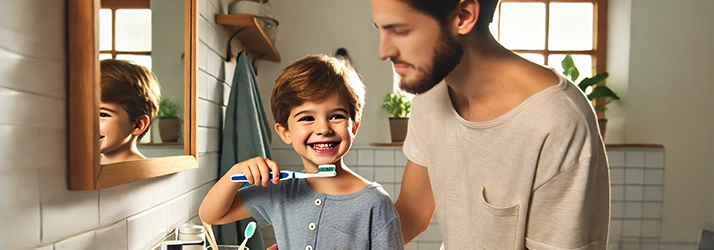
Developing good oral hygiene habits early is crucial for lifelong dental health. At Central Texas Pediatric Dentistry, we emphasize the importance of teaching children how to brush their teeth in Austin TX properly to prevent cavities, gum disease, and other oral health issues. This guide will walk parents and caregivers through the best techniques, tips, and tools to help kids maintain a healthy smile.
Why Proper Brushing Matters for Kids in Austin TX
Teaching children the right way to brush their teeth sets the foundation for strong oral health. Poor brushing habits can lead to:
- Tooth decay and cavities
- Gum disease and inflammation
- Bad breath
- The need for dental treatments such as fillings and extractions
With the right approach, you can make brushing fun and effective for your child.
Step-by-Step Guide to Brushing Teeth for Kids
Choose the Right Toothbrush
Select a soft-bristled, child-sized toothbrush that fits comfortably in your child’s mouth. Electric toothbrushes designed for kids can also be a great option for extra cleaning power.
- Use the Right Amount of Toothpaste
• Ages 0-2: A tiny smear of fluoride toothpaste (the size of a grain of rice)
• Ages 3-6: A pea-sized amount of fluoride toothpaste
• Ages 7+: A regular-sized dab of toothpaste
Make sure your child spits out excess toothpaste instead of swallowing it. - Hold the Toothbrush at the Right Angle
Position the toothbrush at a 45-degree angle to the gums and use gentle, circular motions to clean the teeth and gums. - Brush All Surfaces Thoroughly
Encourage your child to brush: - The outer surfaces of all teeth
- The inner surfaces where plaque can hide
- The chewing surfaces to remove food particles
- Brush for Two Full Minutes
A full two-minute brushing session ensures every tooth gets properly cleaned. Using a timer or a fun song can help keep kids engaged. - Don’t Forget the Tongue
Bacteria build up on the tongue, contributing to bad breath. Have your child gently brush their tongue to keep their mouth fresh. - Encourage Rinsing
Once brushing is complete, children should spit out excess toothpaste and rinse their mouths with water (if recommended by your dentist).
How Often Should Kids Brush Their Teeth?
Children should brush their teeth twice a day—once in the morning and once before bed. Regular brushing removes plaque and prevents bacteria buildup that can lead to cavities.
Tips to Make Brushing Fun and Easy
Keeping kids engaged in their oral hygiene routine can be a challenge. Here are some ways to make brushing exciting:
• Let them pick their toothbrush (fun colors or cartoon characters)
• Use flavored toothpaste designed for kids
• Play a brushing song or video for two minutes
• Make it a family activity to set a good example
• Use a reward chart to encourage consistency
When Should Kids Start Brushing on Their Own?
While young children need help brushing, they can start brushing with supervision around age 3-4. By age 6-7, most kids can brush on their own, but parents should check that they’re doing it properly.
Schedule a Pediatric Dental Visit at Central Texas Pediatric Dentistry in Austin TX
Regular dental visits help ensure your child’s teeth are healthy and developing properly. At Central Texas Pediatric Dentistry in Austin TX, our team is here to provide expert guidance, checkups, and cleanings to keep your child’s smile bright.
Book an appointment today to learn more about proper brushing techniques and ensure your child’s teeth are on the right track!
Central Texas Pediatric Dentistry
1201 Barbara Jordan Blvd #1430
Austin, TX 78723
OFFICE HOURS
Monday
9:00am - 3:00pm
Tuesday
9:00am - 3:00pm
Wednesday
9:00am - 3:00pm
Thursday
9:00am - 3:00pm
Friday
OR
Saturday
Closed
Sunday
Closed